Scarborough Top Wildlife Control for Residential and Commercial Properties
Scarborough Top Wildlife Control for Residential and Commercial Properties
Blog Article
Professional Removal Services for Fauna and Natural Wildlife: Maintain Your Property Safe
Professional elimination solutions for creatures and fauna are vital in protecting homes and buildings. These professionals manage multiple challenges connected to wildlife intrusions, ranging from structural damage to medical dangers. Studying the habits of common intruders might assist with preventative strategies. However, numerous property owners remain unaware of the symptoms that signal an issue. Which indicators should you monitor when evaluating the need for professional intervention?|Skilled elimination solutions for animals and wildlife are indispensable in safeguarding properties. These specialists resolve multiple concerns associated with wildlife intrusions, including building deterioration and medical hazards. Identifying the habits of typical invaders supports preventative efforts. Nonetheless, several property owners remain uninformed of the signs that indicate an issue. Which symptoms should you observe when determining whether you need professional intervention?
Comprehending how Wildlife Influences Your Property
Wildlife can substantially modify the stability of a premises, often leading to unforeseen problems. The occurrence of different animals can damage ecosystems, affecting both flora and fauna. For property owners, this disturbance may manifest as building damage, notably if animals tunnel or nest in wrong areas. Furthermore, wildlife can introduce diseases, presenting health dangers to humans and domestic pets alike.
The influence extends beyond tangible harm; creature encounters can also lead to significant economic consequences. Crop damage and degradation of food sources can burden agricultural properties, while urban environments may experience increased maintenance costs due to wildlife-related issues. Understanding these potential impacts is important for property owners, as proactive measures can alleviate risks. By recognizing the symptoms of wildlife presence and their likely impacts, individuals can more thoroughly equip themselves to secure their properties and maintain a harmonious environment.
Prevalent Creature Trespassers and Their Tendencies
Assorted creatures frequently enter properties, each revealing distinct mannerisms that can bring about significant concerns for homeowners. Rodents, comprising mice and rats, are notorious for their nesting habits, often seeking shelter in basements or attics. They can bore through through wires, insulation, and even food packaging, posing health risks and property damage. Raccoons, attracted to garbage and pet food, are adept climbers and can easily access roofs and attics, producing messes and potential entry points for further infestations.
Squirrels, while seemingly harmless, can cause significant property destruction by chewing through wood and wiring. Opossums, frequently misjudged, may invade spaces looking for sustenance but can also draw dangerous animals. Finally, skunks present a distinctive problem, as their strong odor can saturate buildings when they sense danger. Understanding these intruders' behaviors is essential for avoiding possible structural harm and safety risks.
Prompt Resolutions for Wildlife Intrusions
When wildlife invasions develop, identifying the indicators is important for a quick response. Fast identification of these signs can support effective emergency extraction operations. Quick action not only ensures security but also prevents further damage to your premises.
Notice Wildlife Encroachment Evidence
How might homeowners swiftly recognize clues of wildlife intrusion? Noticing early indicators is important for property safety. Common signs include strange sounds, such as scraping or rustling noises, often heard at night. Property owners should also check for droppings, which differ according to species but signal recent presence. Gnawed wires, insulation, or food packages may indicate rodents or raccoons are present. Tracks or paw prints near openings can reveal the species of animal that is intruding. Strange holes or burrows near the yard or foundation serve as red flags. Lastly, harmed plants or disrupted nesting materials may indicate that wildlife is settling in. Timely identification helps with rapid intervention and prevention.
Immediate Extraction Protocols
Action that is essential is needed when dealing with wildlife invasions to reduce potential damage and guarantee safety. Homeowners should first assess the situation, confirming that all occupants are safe and away from the intrusion area. It is vital to identify the animal species involved, as this can influence the extraction approach. For immediate solutions, individuals should close entry points to prevent further access and create a safe space. Contacting professional removal services is strongly advised, as skilled professionals can manage the situation efficiently and compassionately. They have the required equipment and knowledge to safely remove the animal while following local wildlife regulations. Quick action not only safeguards your home but also assures the welfare of both humans and animals involved.
Ethical Wildlife Removal Methods Explained
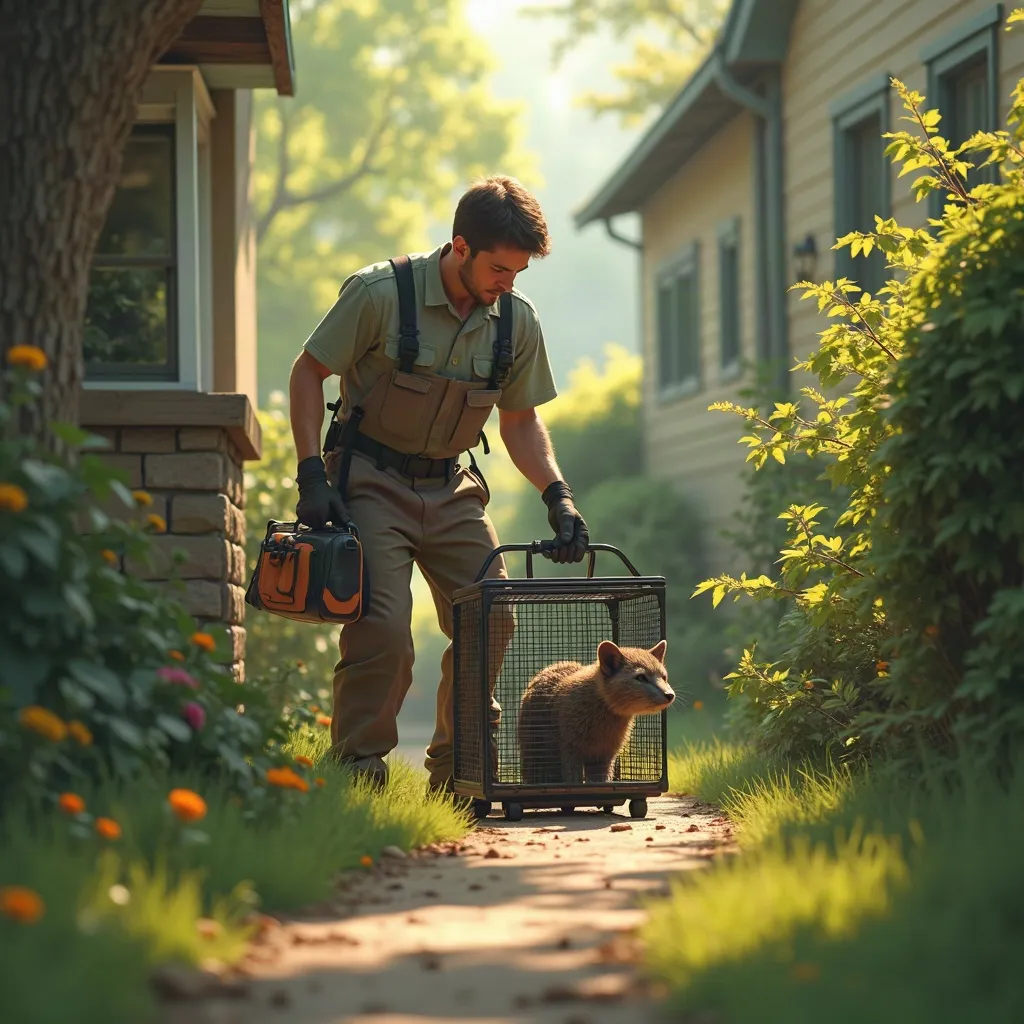
Even though wildlife can frequently cause issues, efficient and compassionate techniques for removal exist that prioritize the safety of creatures and people alike. These approaches concentrate on compassionate methods, ensuring that animals are relocated without damage. Standard methods include the use of live traps, which snare the creature without injury, enabling secure movement to an fitting habitat away from people's homes.
Exclusion tactics are also necessary; these involve sealing entry points and removing attractants, making properties less inviting to wildlife. Additionally, habitat modification can deter animals from settling in unpreferred areas.
Professional wildlife removal services frequently employ trained specialists who understand animal behavior, enabling them to use the most appropriate and ethical removal methods. By opting for humane approaches, property owners not only comply with legal regulations but also contribute to the protection of local ecosystems, promoting a balanced coexistence between humans and wildlife.
Clues That You Should Retain a Wildlife Removal Professional
Determining when to bring in a wildlife removal professional is necessary for establishing a protected living space. Signals like unexplained nocturnal noises, visible structural damage, and nearby wildlife encounters may point to an critical necessity for professional intervention. Tackling these warnings without delay can mitigate future trouble and maintain the security of household members and fauna.
Odd Sounds in the Evening
What could be provoking those unusual sounds sounding throughout the night? Homeowners often hear scratching noises, scurrying sounds, or even chirping that suggest wildlife activity. These sounds may show the presence of raccoons, squirrels, or other nighttime wildlife seeking shelter or food. Such interruptions can intensify rapidly, with animals possibly dealing damage or accessing living spaces. Overlooking these signs can lead to more significant issues, including health risks and property damage. A pest control professional can identify the source of the noises and safely relocate the animals, ensuring the home remains secure. Swift action is essential for maintaining a peaceful living environment, making it vital to consult professionals when unusual night sounds persist.
Observable Animal Deterioration
Visible wildlife damage commonly serves as a clear indicator that professional wildlife removal services are necessary. Homeowners should be careful for signs such as gnawed wood, torn insulation, or damaged wiring, which can compromise structural integrity and pose fire hazards. Damaged landscaping, like disrupted vegetation or burrows, may indicate wildlife seeking shelter or food. Roof damage, including missing shingles or holes, can show entry points for animals. These visible signs not only reveal potential infestations but also underline the need for urgent intervention. Addressing these problems swiftly can stop further damage and protect the property, making consulting with wildlife removal professionals essential when these indicators become visible.
Recorded Sightings surrounding Property
Wildlife near a property typically indicates an urgent problem. These sightings can reveal animals hunting for shelter or food and may cause infestations. Indicators often include raccoons rummaging through trash, deer grazing near gardens, or squirrels nesting in attics. The actions threaten property integrity while posing health risks to residents via disease transmission. Additionally, nocturnal animals might become bold and venture near human activity. Recognizing signs is vital; hiring a wildlife removal expert guarantees safety and effective resolution. Timely intervention prevents bigger problems and protects the property from expensive damages.
Methods to Identify the Appropriate Wildlife Removal Service
Determining the ideal animal control company can be a tough undertaking, especially for those inexperienced with the intricacies of animal control. To start, it is essential to verify the company's credentials, including permits and certifications. This guarantees that the service adheres to local regulations and recruits qualified professionals.
Next, one should evaluate the methods employed in removal. Humane approaches, such as compassionate capture and relocation, should be prioritized. Inquiring about the service's track record with particular wildlife issues can also offer understanding of their expertise.
In addition, studying customer feedback and endorsements can help evaluate the company's standing and results. Openness concerning costs and processes is crucial; a reliable company should deliver a clear estimate before commencing any work.
In conclusion, a reputable wildlife removal service will deliver follow-up assessments to confirm the problem is fixed, stressing a commitment to long-term solutions.
Ways to Block Wildlife Intrusions
To minimize wildlife invasions, homeowners need to take early actions that repel animals from invading their land. The first measure is sealing all holes found in foundations, walls, and roofs, since even narrow gaps can serve as entry points for numerous animals. Next, keeping a neat yard clear of food sources, including pet food and fallen fruit, can greatly reduce potential attractants. Additionally, garbage should be kept in protected containers to limit odors that may attract wildlife. The installation of motion-activated lights and fencing can further boost security by making the area less appealing. Finally, regularly trimming trees and shrubs prevents animals from nesting nearby. Implementing these strategies allows homeowners to effectively lessen the risk of wildlife intrusions, keeping their living space more secure and stable.
Often Inquired Questions
Learning About the Laws Governing Animal Control in My Area
Legal regulations for wildlife elimination vary by region, often requiring permits and adherence to humane practices. Individuals should contact local wildlife agencies or legal resources to ensure compliance with applicable laws and guidelines in their area.
What Do Expert Moving Services Usually Price Out At?
Professional animal removal typically range between $100 to $500, depending upon elements including the animal type, location, and the intricacy of the case. Additional costs may accrue for subsequent check-ups or protective actions.
Should I Perform Wildlife Removal Myself in a Secure Way?
While certain people try DIY wildlife removal, it frequently creates safety risks and regulatory problems. Expert companies guarantee humane handling and adherence to legal requirements, making them a safer, more effective choice for handling wildlife situations.
Where do the Animals Go Following Removal?
Following extraction, animals are commonly relocated to fitting habitats or rehabilitation centers. This guarantees their safety detailed resource and well-being, permitting them to adapt back into the wild while minimizing potential conflicts with humans in the future.
How much time does the Removal Process Typically Require?
Removing the animal typically takes between one to three hours, depending on the species and how complex the situation is. Elements like location and how easy it is to reach also impact the total duration needed for the operation.
Report this page